We invite contributions that explore how teachers are responding—practically and purposefully—to the multiple disruptions currently reshaping higher education. These include, but are not limited to, increasing diversity in student preparedness and expectations, pressures on assessment and academic integrity, workload intensification, the rapid emergence of generative artificial intelligence, changing patterns of student recruitment and participation, and evolving institutional priorities. ESLTIS has always foregrounded what educators do in response to such challenges, and this conference continues that tradition by focusing on how teaching practices, curriculum design, assessment, and student support are being reshaped through the Scholarship of Teaching and Learning. We particularly welcome contributions that demonstrate how SoTL-informed approaches are being used to support student learning and development, sustain inclusive and compassionate learning communities, and strengthen support for colleagues navigating disruption together—turning uncertainty into opportunity through evidence-informed, reflective educational practice.
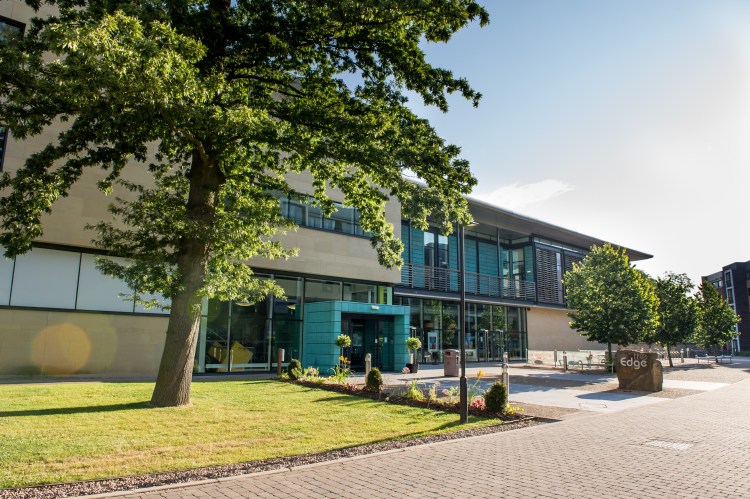
This two-day, in-person conference at the University of Sheffield invites participants to critically reflect on and share evidence-informed, practice-based approaches that foster deep engagement, human skills (such as creativity, critical thinking, collaboration, and ethical reasoning), and meaningful student agency alongside the intelligent tools students increasingly use.
The conference will explore questions such as how core purposes of higher education can be agreed and pursued in a rapidly changing context; how pedagogical innovations support students to develop resilience, reflexivity, and purpose in complex, data-rich contexts; how staff can work together to develop mutually supportive learning communities; and how assessment, curriculum design, and staff–student partnerships are evolving in collaboration with and as a response to AI.
Call for Papers
Alongside keynotes and panel discussions focused on the conference theme, we are currently reviewing proposals aligned with the conference theme of how we are using SoTL to develop approaches to support students and staff in the current time of significant disruption. Those who have submitted a proposal will be informed in early May of the outcome.
Timeline
- Mid January 2026 – Conference Save The Date Launches
- Late February 2026 – Call for Papers Opens
- Early March 2026 – Conference Registration Opens and Keynotes Announced
- 15th April 2026 – Close Call for Papers
- Early May 2026 – Outcomes from talk proposals provided
- 19th May 2026 – Early Bird Rate Closes
- Early May 2026 – Draft Conference Programme Released
- Late May 2026 – Conference Registration Closes
- June 2026 – Final Programme Released
- 16 and 17 July 2026 – ESLTIS 2026 Conference at University of Sheffield.
Who the Conference Is For
ESLTIS (Enhancing Student Learning Through Innovative Scholarship) is a national forum for educators, academic developers, researchers, and teaching-focused staff across UK higher education who are committed to enhancing learning, teaching, and curriculum innovation. The conference provides a supportive and collegial space for sharing practice, building networks, and advancing scholarship that positively influences teaching and the student experience.

